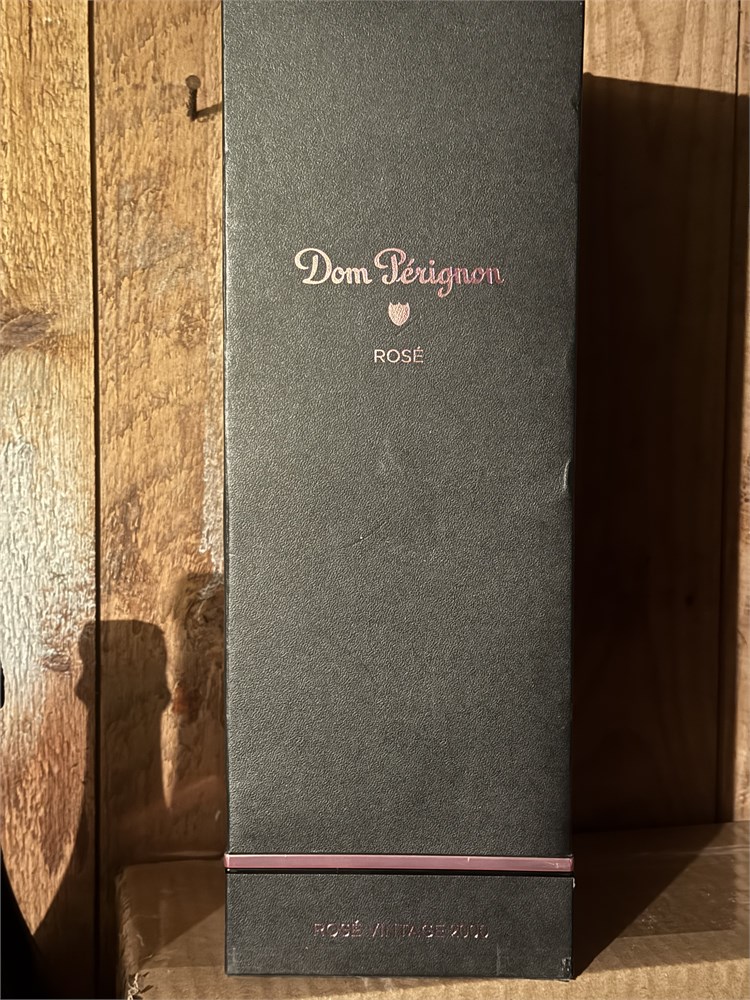
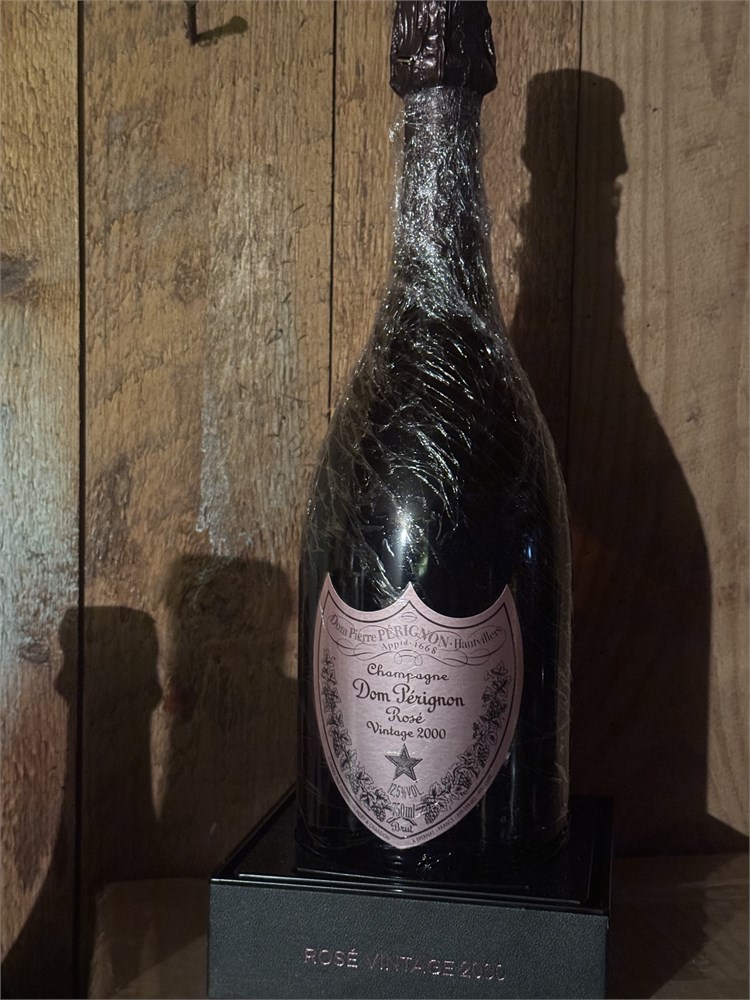
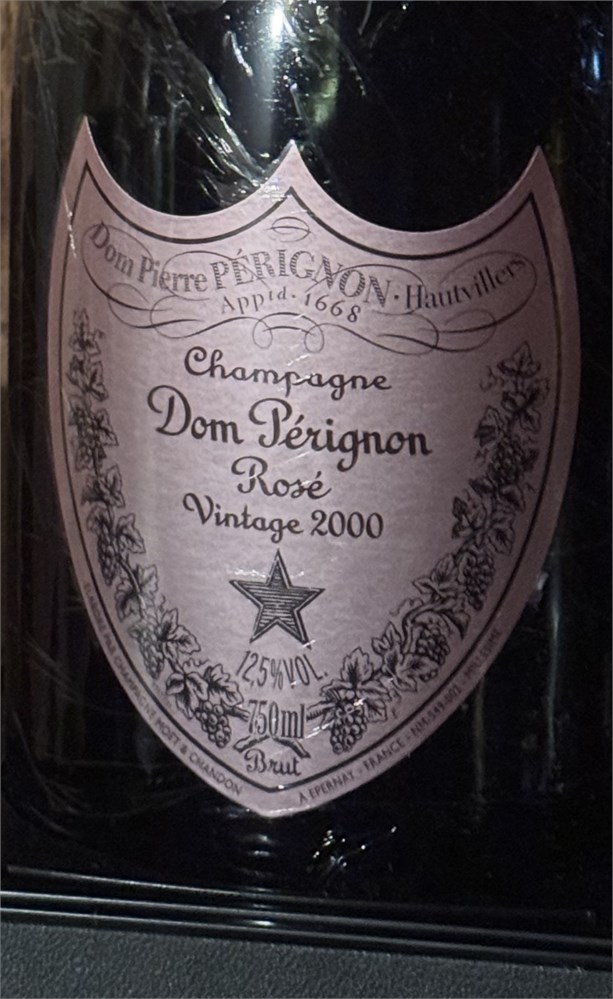
Dom Pérignon producerer kun deres rosé Champagne i særligt udvalgte årgange, hvor druerne opnår et ekstraordinært niveau. 2000 markerede et varmt og tørt vækstår i Champagne, hvilket resulterede i modne Pinot Noir- og Chardonnay-druer med en usædvanlig generøsitet. Tilgangen hos Dom Pérignon er altid stringent, hvor basisvinen får gæring på ståltank efterfulgt af lang lagring på gærrester – her typisk mindst 8-10 år før frigivelse. Rosé-udgaven får sin karakteristiske farve og aromatiske dybde fra en blanding af Pinot Noir, der gæres som vin rouge og tillægges til den klassiske cuvée.
Stilen er præget af Dom Pérignons signatur: stringent bjergtagende syre, intens frugt og en raffineret kompleksitet, ikke mindst i rosé-versionen med dens ekstra lag af rød frugt og krydderurter. 2000 har ofte vist sig at levere en dyb og struktureret vin, der stadig befinder sig på en kurve hvor lagringspotentialet er intakt – mange flasker har vist sig at kunne udvikle sig betydeligt over to årtier.
Internationale anmeldelser lægger sig typisk i feltet 94-96 point (Wine Advocate, Vinous), og matcher forventninger til både kvalitet og holdbarhed.
Dom Pérignon only produces their rosé Champagne in specially selected vintages, when the grapes reach an extraordinary level. 2000 marked a hot and dry growing year in Champagne, which resulted in ripe Pinot Noir and Chardonnay grapes of unusual generosity. Dom Pérignon's approach is always stringent, with the base wine being fermented in steel tanks followed by long aging on lees – typically at least 8-10 years before release. The rosé edition gets its characteristic color and aromatic depth from a blend of Pinot Noir, which is fermented as vin rouge and added to the classic cuvée.
The style is characterised by Dom Pérignon's signature: austere, captivating acidity, intense fruit and a refined complexity, not least in the rosé version with its extra layers of red fruit and herbs. The 2000 has often proven to deliver a deep and structured wine that is still on a curve where its ageing potential is intact – many bottles have proven to be able to develop significantly over two decades.
International reviews typically fall in the 94-96 point range (Wine Advocate, Vinous), and match expectations for both quality and durability.
Dom Pérignon produce il suo Champagne rosé solo in annate appositamente selezionate, quando le uve raggiungono un livello straordinario. Il 2000 è stato un anno caldo e secco in Champagne, che ha prodotto uve Pinot Nero e Chardonnay mature di insolita generosità. L'approccio di Dom Pérignon è sempre rigoroso, con il vino base fermentato in vasche d'acciaio seguito da un lungo affinamento sui lieviti, in genere di almeno 8-10 anni prima della commercializzazione. L'edizione rosé deve il suo colore caratteristico e la sua profondità aromatica a un assemblaggio di Pinot Nero, fermentato come vin rouge e aggiunto alla cuvée classica.
Lo stile è caratterizzato dalla firma di Dom Pérignon: acidità austera e accattivante, frutto intenso e una raffinata complessità, soprattutto nella versione rosé con i suoi strati extra di frutta rossa ed erbe aromatiche. Il 2000 ha spesso dimostrato di offrire un vino profondo e strutturato, con un potenziale di invecchiamento ancora intatto: molte bottiglie hanno dimostrato di sapersi evolvere significativamente nell'arco di due decenni.
Le recensioni internazionali in genere si attestano su un punteggio compreso tra 94 e 96 (Wine Advocate, Vinous) e soddisfano le aspettative sia in termini di qualità che di durata.
Dom Pérignon ne produit son Champagne rosé que lors de millésimes exceptionnels, lorsque les raisins atteignent une qualité extraordinaire. L'année 2000, chaude et sèche en Champagne, a permis d'obtenir des raisins de Pinot Noir et de Chardonnay d'une générosité inhabituelle. L'approche de Dom Pérignon est toujours rigoureuse : le vin de base est fermenté en cuves inox, puis élevé longuement sur lies – généralement de 8 à 10 ans minimum avant sa commercialisation. La cuvée rosé doit sa couleur caractéristique et sa profondeur aromatique à un assemblage de Pinot Noir, vinifié en vin rouge puis ajouté à la cuvée classique.
Ce style se caractérise par la signature Dom Pérignon : une acidité austère et captivante, un fruit intense et une complexité raffinée, notamment dans la version rosé qui révèle des notes supplémentaires de fruits rouges et d’herbes. Le millésime 2000 a souvent démontré sa profondeur et sa structure, ainsi que son potentiel de garde intact ; de nombreuses bouteilles ont en effet prouvé leur capacité à évoluer significativement pendant plus de vingt ans.
Les évaluations internationales se situent généralement entre 94 et 96 points (Wine Advocate, Vinous) et correspondent aux attentes en matière de qualité et de durabilité.

 Protection de l'acheteur ShareWine